Ladybug Applique: A Designer's Practical Review for Real Stitching Projects
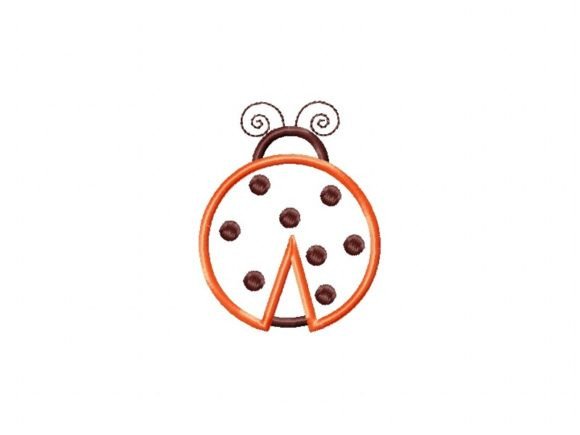
When I first opened the Ladybug Applique design file, I was curious how this particular machine embroidery design would translate from screen to fabric. Ladybug motifs can easily tip into cartoonish territory, but this one strikes a balanced note. It has a rounded, friendly silhouette with clear segment lines and a gentle curve to the body that feels lively without being overly cutesy. The antennae are simple enough to stitch cleanly, and the wing split is defined well enough to carry a satin stitch or a subtle fill stitch. Right away, I could picture this on a toddler's sweatshirt, a handmade tote bag, or even a small embroidered patch for a nature-themed gift set. The mood is cheerful, light, and nostalgic in a way that appeals to both children and adults who appreciate handmade charm.
As an applique design, this piece relies on the interplay between fabric choices and the satin stitch edge. The outline is not overly intricate, which is a practical advantage when you are stitching multiple units for a small shop product or a batch of personalized gifts. The visual personality is approachable and bright, and the theme fits naturally into spring and summer projects, baby embroidery, nursery decor, and outdoor-themed apparel. It also works well for holiday embroidery if you are creating insect-themed sets or garden party favors. The design feels versatile enough to sit on a baby onesie, a linen pillow cover, or a canvas tote bag design without looking out of place.
First Impressions: Shape, Layout, and Real Project Fit
The Ladybug Applique has a balanced composition. The body is the anchor, with enough surface area to let the applique fabric show prominently. The head is compact, and the antennae are thin but not fragile. In my experience, applique designs with very thin antennae can cause trouble during trimming or under dense stitching, but this one keeps them thick enough to hold shape without feeling bulky. The wing line down the center is straight and clear, making it easy to align contrasting fabric if you want a split-color effect. The legs are simple and low-profile, which means they stitch well without distorting on stretchy fabric.
For an embroidery project aimed at children, this design has the right level of detail. It does not rely on tiny fill stitches that might get lost on textured fabric, nor does it use excessive satin stitch areas that could pucker on lightweight knits. The layout feels intentional for an applique format: the fabric does most of the visual work, and the stitching provides clean edges and accent details. This also keeps the stitch count manageable, which is a benefit when you are producing finished products for a craft business or an Etsy seller running multiple listings.
One thing I noticed immediately is that the design works well at multiple sizes. At a larger scale, it becomes a statement piece for the center of a sweatshirt or a pillow cover. At a smaller scale, it fits neatly onto a cap or a baby bodysuit. This flexibility is valuable for anyone who sells handmade product variations and needs one design file to serve several applications. The embroidery file itself comes in multiple formats, which I appreciate because it saves time when switching between machines or preparing digital embroidery file bundles for customers.
A Real Scenario: Custom Tote Bags for a Spring Market
I tested the Ladybug Applique on a batch of canvas tote bags for a local spring market. The bags were medium-weight natural cotton with a slight texture. I wanted the ladybug to feel crisp and cheerful, so I chose a bright red cotton for the applique body and a deep black for the head and spots. The satin stitch edge was set to a medium density, and I used a tear-away stabilizer behind the hoop. The stitching ran smoothly. The satin stitch covered the raw edge of the applique fabric cleanly, and the spots stitched as small filled circles without any thread breakage or shifting.
On the tote bags, the design sat about four inches tall. At that size, the antennae held their shape well, and the wing line stayed straight. The leg lines were subtle but visible, which is exactly what I want for an applique piece that should not look too busy. Customers at the market responded well. Several people picked up the bag and commented that the ladybug looked "friendly" and "well-made." One buyer mentioned she wanted to use it as a gift for a toddler who loves insects, and another said it reminded her of a children's book illustration. That kind of reaction tells me the design has strong personalized gift potential, especially for baby embroidery, birthday gifts, and nature-themed sets.
I also tested the design on a cotton-polyester blend sweatshirt for a fall sample run. The fabric had a bit of stretch, so I added a cut-away stabilizer to keep the satin stitch from puckering. The design handled the stretch well. The applique did not distort, and the stitches sat flat after washing. This is important for anyone creating custom apparel for repeat customers. If a design shifts or puckers after the first wash, it damages trust in your handmade product quality. The Ladybug Applique held up nicely, which gives me confidence for commercial use.
Where This Design Performs Best and Where to Be Careful
From my testing, the Ladybug Applique performs best on medium-weight woven fabrics like cotton, linen, canvas, and denim. It also works well on stable knits and cotton-poly blends when you use the right stabilizer. The satin stitch edge is not overly wide, so it sits neatly on most fabric types without overwhelming the base material. For embroidered patch projects, this design stitches cleanly on a patch base, and the applique format gives you a nice raised texture that stands out from the background.
I would be cautious using this design on very thin or sheer fabrics. The applique layer and satin stitch add weight, and thin fabric may not support the stitching without visible distortion. Similarly, on highly stretchy jersey or ribbed knits, the antennae and leg lines might stretch out of shape if you do not stabilize carefully. A good rule is to test on a scrap piece of your final fabric first. Hoop size is also worth checking before you commit. The design fits comfortably in a medium hoop, but if you plan to place it on a cap or a curved surface, confirm the layout works within your cap hoop or multi-positioning frame.
Another consideration is dark fabric. If you stitch the ladybug on a black or very dark background, the black head and spots may blend into the fabric. In that case, you might want to choose a lighter applique fabric for the head or add a subtle outline stitch in a contrasting color. The design itself does not include an automatic border, so you have the freedom to adjust thread colors per project. This is a practical advantage for commercial embroidery where you need to adapt to different base colors and customer preferences.
Visual Appeal, Product Value, and Customer Engagement
The Ladybug Applique brings a professional finished look to any product it goes on. Because it is an applique design, the fabric choice becomes part of the visual appeal. A cotton ladybug on a canvas bag looks handmade and substantial. A flannel ladybug on a baby blanket feels soft and cozy. The ability to change the applique fabric lets you match the design to different seasons, fabric textures, and brand aesthetics. For an Etsy seller or a small shop product line, this adaptability means you can offer multiple colorways from a single machine embroidery design file without re-digitizing.
From a customer perspective, applique designs often feel more premium than standard fill-stitch embroidery. The fabric layer adds depth and a tactile quality that people notice. When I display finished products at a craft fair, items with applique consistently get more handling and questions. Customers associate the technique with quality handmade product care. For a design assets library, the Ladybug Applique is a strong addition because it works for both personal projects and commercial products, assuming you confirm the licensing terms before selling finished items or distributing the digital files.
The design also works well in printable mockup scenarios. If you sell digital product previews on your shop, the ladybug's shape is recognizable even at a small scale, which helps in listing photos. The contrast between the red body and black details reads clearly in photographs, so your Etsy seller listings will look cohesive and appealing. I have found that designs with clear, bold shapes tend to convert better in online shops because customers can immediately visualize the finished product. The Ladybug Applique fits that category well.
Practical Designer Notes Before You Stitch
Before you commit this design to a production run, there are a few checks I recommend. First, test the design on scrap fabric using the actual thread colors and applique fabric you plan to use. This reveals any issues with stitch density, tension, or color contrast that might not be obvious on screen. Pay attention to the satin stitch edge. If it feels too loose or too tight, adjust your machine's tension or the stabilizer weight. The stitch density on this design is reasonable, but every fabric behaves differently, so a quick test saves waste.
Second, review the design in black and white mockup form. This helps you see the underlying stitch structure without being distracted by color. You can check whether the fill stitch areas are balanced, whether the running stitch lines have enough length, and whether the antennae are positioned symmetrically. I also recommend comparing the design on a light fabric background and a dark fabric background to ensure the visual contrast works in both cases. This is especially important if you sell finished products to customers who may choose different garment colors.
Third, confirm your hoop size before cutting fabric. The design fits within a standard medium hoop, but if you are working with a smaller hoop, check the dimensions carefully. For baby embroidery on tiny onesies, you may need to reduce the design size, but keep in mind that applique designs lose detail when scaled down too much. I find that 3 to 4 inches is a sweet spot for this ladybug on most garments. For a tote bag or pillow cover, 4 to 5 inches feels substantial without overwhelming the product.
Fourth, consider the thread colors you select. The design uses a limited palette, which is typical for applique, but the exact shades of red and black affect the mood. A bright scarlet feels playful and child-friendly. A deeper burgundy feels more rustic and vintage. The black spots and head anchor the design, so make sure the black thread has good coverage and does not look grey next to a dark applique fabric. I prefer a dense black polyester thread for this reason.
Finally, confirm the licensing terms for the design before you use it for commercial embroidery or sell finished items. The product description indicates the design can be used in clothes or as a gift for children, and it comes with multiple file formats. But always verify whether the license covers selling finished products, digital redistribution, or use in design assets bundles. This step protects your business and ensures you are using the file legitimately.
Final Thoughts on the Ladybug Applique for Real Projects
The Ladybug Applique is a solid, versatile design that fits well into a range of embroidery projects. It is simple enough for beginners to handle with care, yet polished enough for experienced decorators and small shop owners to use in production runs. The applique format keeps stitch counts reasonable, and the satin stitch edges give a clean finish that holds up through washing. The design's visual personality is friendly and approachable, making it a natural fit for children's items, nature-themed gifts, and spring market merchandise.
If you are an Etsy seller looking to expand your custom apparel line, a crafter building a handmade product collection, or a hobbyist creating personalized gift items for family and friends, this design offers good value. It performs reliably on stable fabrics, adapts to different sizes, and leaves room for creative fabric choices. As always, test your setup, check your stabilizer, and confirm your hoop size before stitching a final project. When you do, the Ladybug Applique delivers the kind of clean, charming result that customers notice and remember.