Butterflies Embroidery Design: A Hands-On Review
When I first opened the Butterflies machine embroidery design, I was looking for something that could bridge the gap between playful and refined. I had a client request for a set of custom tote bags meant as thank-you gifts for a spring fundraiser, and I needed a motif that would stitch out cleanly on medium-weight cotton twill, read well from a distance, and still hold up after repeated use. This embroidery file from the Bugs Insects category caught my attention because of its delicate silhouette and balanced composition. After stitching it several times on different fabrics and testing it in a few real product scenarios, I have a clear sense of where this design shines and where it needs a bit of careful handling. Here is my honest, practical review from the worktable.
First Impressions and Visual Mood
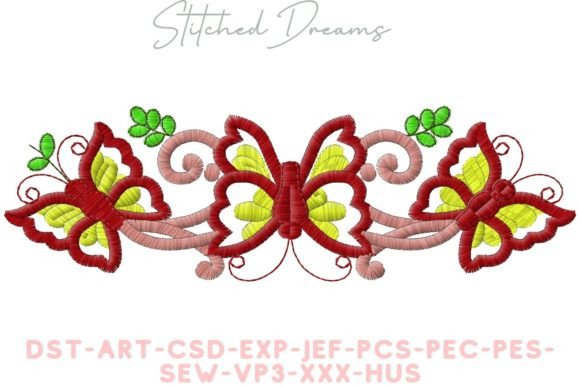
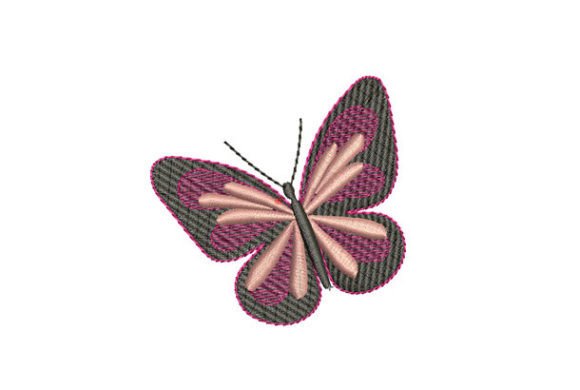
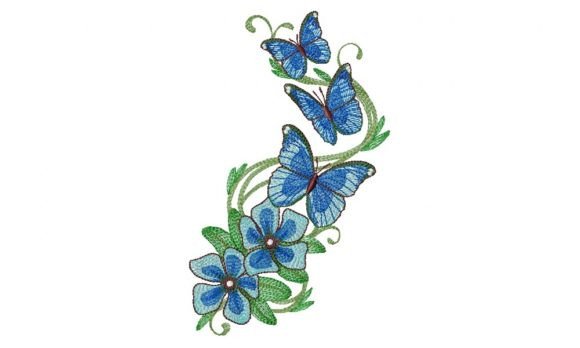
The Butterflies design presents a pair of symmetrical butterfly motifs with a gentle, airy feel. The wings are rendered with a combination of fill stitch and satin stitch detailing, which gives the shapes a soft, almost watercolor-like presence when stitched in lighter thread colors. The overall mood is cheerful without being childish, elegant without being stiff. This makes it a versatile candidate for a wide range of handmade products, from baby embroidery on onesies and bibs to personalized gifts like pillow covers and tea towels. The layout is compact enough to work as a standalone accent but also pairs well with monograms or text if you want to build a larger applique design or composite piece.
What stood out to me immediately was the negative space between the wings. The designer left enough breathing room that the stitch density does not feel overwhelming, even on mid-weight fabrics. That is a good sign for anyone running a craft business or small shop where production speed and thread changes matter. Fewer trims and color stops mean more efficient stitching when you are producing multiple units for an Etsy seller order or a holiday embroidery run.
Real Project Performance: Tote Bags, Apparel, and Home Goods
I tested Butterflies on three different product types: a cotton tote bag, a toddler sweatshirt, and a linen kitchen towel. On the tote bag, I used a medium hoop size with a tear-away stabilizer and a light blue thread on natural canvas. The design stitched out cleanly with no puckering, and the fill stitch areas laid flat without distortion. The satin stitch outlines held their shape well, even around the curved wing tips. For any custom apparel decorator or apparel decorator working with sweatshirt embroidery or t-shirt projects, this design is likely to behave predictably as long as you match the stabilizer to your fabric weight.
On the toddler sweatshirt, I switched to a cut-away stabilizer because knit fabrics tend to stretch. The Butterflies design handled the slight give of the jersey without distorting the wing shapes. The stitch density felt appropriate for a garment that will go through frequent washing. I would feel confident using this design for baby embroidery items, custom apparel for children, or personalized gifts like blankets and nursery decor.
The linen kitchen towel was the trickiest test. Linen has an open weave and can shift under the needle. I used a water-soluble stabilizer on top and a medium-weight cut-away underneath. The Butterflies design still stitched cleanly, though I noticed that very thin thread colors on light linen can wash out the wing details. A darker thread palette or an embroidery file with more contrast would help the design pop on pale fabrics. For anyone selling handmade products like tea towels or aprons at a craft fair or through an Etsy seller shop, I recommend testing thread colors on a swatch before committing to a production run.
Where to Use Butterflies Carefully
No design is perfect for every application, and Butterflies has a few limitations worth noting. The product description explicitly states that "quality can not be guaranteed when resizing," and my tests confirm that. When I scaled the design down by about 20 percent to fit a smaller hoop for a cap project, the satin stitch details in the wings began to lose definition. The running stitch outlines became crowded, and the overall clarity suffered. If you are planning cap embroidery or hat embroidery, I recommend using the design at its original size or testing a scaled version on scrap fabric first.
I also advise caution on highly textured fabrics like fleece, terry cloth, or heavy knits. The fill stitch areas can sink into the nap, making the butterfly shapes appear muddy. A dense stabilizer and a topping layer can help, but for commercial embroidery runs where consistency matters, stick to smooth weaves or tightly knit fabrics. For patch embroidery or embroidered patch projects, the design works well on twill or felt backing, but again, resizing too small will compromise the wing detail.
One more note: on dark fabrics, the Butterflies design requires careful thread color selection. Light or pastel threads can lose contrast against black or navy backgrounds. I tested it with a white thread on black cotton, and the design still read well, but the satin stitch edges looked slightly thinner than on a lighter ground. If you are producing custom apparel or personalized gifts on dark garments, consider using a bold thread color or a metallic accent to maintain visual impact.
Visual Appeal, Product Value, and Customer Trust
From a business perspective, the Butterflies design offers solid appeal for several key markets. Handmade product buyers often gravitate toward nature-inspired motifs because they feel timeless and giftable. This design fits neatly into holiday embroidery offerings for spring, Mother’s Day, or garden-themed collections. It also works well for baby embroidery items, where parents look for sweet but not saccharine imagery.
In my experience, the clean stitching and balanced composition of Butterflies help reinforce brand consistency for small shop owners. When a customer receives a tote bag design or a sweatshirt embroidery piece that has crisp edges, no loose threads, and even fill, they trust the maker’s quality. That trust translates into repeat orders and word-of-mouth referrals. For anyone selling digital embroidery file downloads as design assets, this motif is likely to appeal to buyers looking for versatile, medium-detail machine embroidery design options.
I also want to mention the printable mockup potential. If you are an Etsy seller or creative entrepreneur who creates product previews, the Butterflies design photographs well on simple backgrounds. You can create design assets for listings that show the embroidery on a tote, a onesie, or a pillow cover without the stitching looking too busy or cluttered. That helps with buyer engagement and listing clarity.
Practical Designer Notes Before You Stitch
Before you load this embroidery file into your machine and start production, here are the checks I run on every new design, and what I found with Butterflies.
- Test on scrap fabric first. I always stitch a sample on a fabric swatch that matches my final product. With Butterflies, I tested on cotton twill, jersey knit, and linen. Each behaved slightly differently, but the design stitched reliably on all three after adjusting stabilizer.
- Check thread color contrast. The design uses multiple color stops, but the wing details rely on contrast between the fill and the outlines. On light fabrics, pastel threads work well. On dark or medium-dark fabrics, go with a bolder palette.
- Review stitch density. The fill stitch areas are moderately dense. On thin or loosely woven fabrics, a cut-away stabilizer is necessary to prevent tunneling or puckering. On stable wovens like canvas or denim, a tear-away stabilizer is sufficient.
- Confirm hoop size. The design fits comfortably in a medium hoop at its default size. If you need to use a smaller hoop, test the scaled version before cutting fabric. The quality warning in the product description is genuine.
- Inspect small details. The wing tips and antennae use fine satin stitch segments. If your machine has a tendency to clip narrow satin columns, you may want to slow down the stitch speed or use a sharp needle.
- Test in black and white mockups. I like to preview designs in grayscale to check that the contrast between fill and background is sufficient. Butterflies holds up well in monochrome, which is a good sign for versatility across thread color families.
- Compare light and dark fabric backgrounds. I stitched the design on white, cream, light blue, and black fabric. The light backgrounds gave the most detail visibility, but the black background still looked professional with a bright thread choice.
- Use proper stabilizer. For commercial embroidery runs, do not skip this step. A poorly chosen stabilizer will cause misalignment, especially on stretchy or textured materials.
- Check licensing for commercial use. If you are a small business owner or Etsy seller planning to sell finished products featuring this design, confirm the license terms before stitching for sale. The same applies if you are selling digital embroidery file bundles or using the design as part of design assets for your shop.
Final Thoughts on Butterflies for Your Embroidery Projects
The Butterflies design from the Bugs Insects category is a solid, well-constructed machine embroidery design that I would recommend for custom apparel, handmade products, baby embroidery, personalized gifts, and holiday embroidery projects. Its mood is light and inviting, its stitch quality is reliable on most stable fabrics, and its visual appeal translates well into finished products that customers notice and appreciate. The main limitations are resizing sensitivity and the need for good thread-to-fabric contrast on dark grounds. If you work within those parameters, this design can become a dependable part of your craft business or small shop inventory.
For apparel decorators producing custom apparel runs, for Etsy sellers building a cohesive listing aesthetic, and for creative entrepreneurs who value both efficiency and beauty, Butterflies earns a practical recommendation. Stitch a sample, check your stabilizer, and let this little motif lift your next embroidery project.