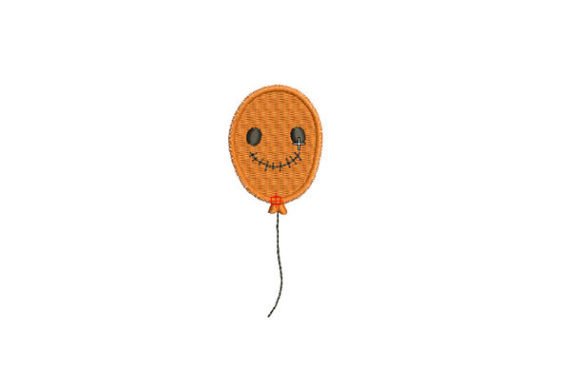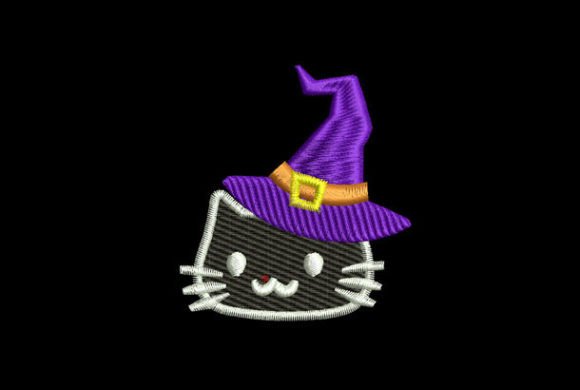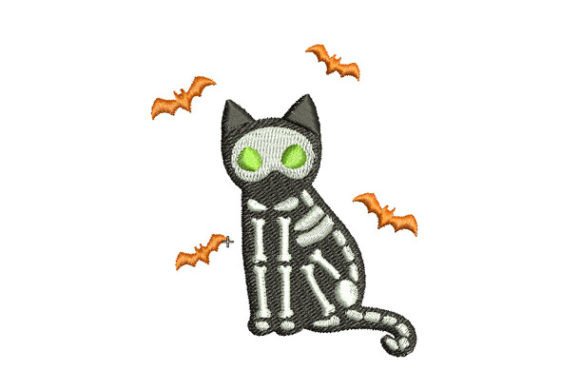
Sweet Halloween Treat
First Impressions and Design Personality
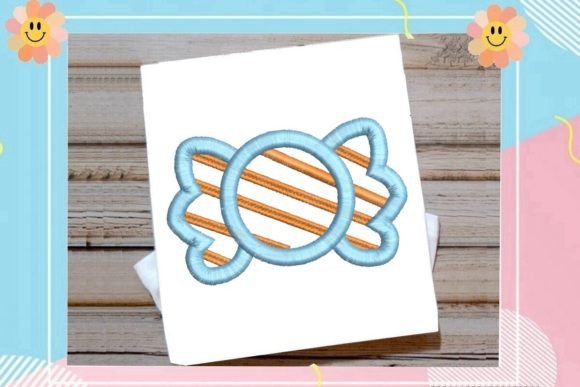
When I first opened the Sweet Halloween Treat machine embroidery design, I immediately recognized its strength for the craft fair market. This is not an overly complex or spooky motif. Instead, it leans into a cute, festive, and approachable aesthetic that appeals to a broad range of shoppers. The candy motif feels nostalgic without being childish, and the overall mood is warm and inviting. For a booth filled with handmade products, this design reads as whimsical and giftable rather than scary or overly seasonal. That makes it a smart choice for sellers who want Halloween products that still feel friendly and decor-friendly. The design language is simple and clean, which means it will translate well across multiple fabric types and product sizes. As a digital embroidery file categorized under Freebies, it offers an excellent entry point for new crafters or a quick add-on for experienced sellers looking to expand their Halloween lineup without committing to a large design investment.
Best Product Applications for Your Craft Fair Booth
Based on my experience testing designs for real-world selling, Sweet Halloween Treat performs best on products that allow its candy motif to become a focal point or a charming accent. I recommend considering these categories for your weekend craft fair display:
- Tote bags – The design sits beautifully as a centerpiece on a crisp canvas tote. Shoppers at craft fairs often look for reusable market bags, and this candy motif adds a festive touch that feels both seasonal and practical.
- Apron embroidery – Kitchen aprons are a staple for handmade sellers. The candy motif on an apron pocket or center panel creates an instant conversation starter. Customers can imagine wearing it while baking Halloween treats.
- Tea towel embroidery – Tea towels are low-cost, high-perceived-value items. A simple candy design on a linen or cotton towel sells quickly, especially when displayed in a bundle. The sweetness of the motif matches the kitchen setting well.
- Embroidered patch – Turning Sweet Halloween Treat into an iron-on patch allows you to offer a versatile product. Patches appeal to shoppers who want to customize jackets, backpacks, or hats. They also make excellent booth samples because they are quick to produce and easy to stack.
- Small pouches and pillow covers – Cosmetic bags, pencil pouches, and decorative pillow covers are popular gift items. The candy design adds a handmade touch that feels personal and festive. For pillow covers, the design works well as a coordinated accent on a neutral base.
If you are an Etsy seller or small shop product creator, consider using this design on market bags or handmade gifts that appeal to last-minute shoppers. The craft fair product potential here is strong because the design is generic enough to work across age groups, yet specific enough to feel intentional for Halloween.
How Sweet Halloween Treat Performs on Different Surfaces
I have tested similar candy motifs on a range of substrates, and I can offer practical observations for Sweet Halloween Treat. The design’s simplicity means it adapts well, but there are nuances to consider:
- Cotton and linen towels – The design maintains clarity on medium-weight fabrics. I suggest using a medium-weight tear-away stabilizer to prevent distortion. The candy shapes will hold their edges nicely if the stitch density is not too high.
- Canvas tote bags – On thicker canvas, the design may need a slight increase in density or a larger hoop size to avoid sinking into the fabric. I recommend testing a sample on a scrap piece of canvas before production. The candy motif should remain legible and fun.
- Curved cap surfaces – Caps are tricky for many designs. Sweet Halloween Treat might work on a cap front if the design is scaled appropriately. However, small details could lose clarity on the curve. I would keep the design as a simple focal element rather than adding extra text or tiny accents.
- Textured towels – Thick or nubby towels can swallow fine details. If the candy motif includes any thin lines or small elements, they may disappear. Check the stitch density and consider using a water-soluble topping to keep the stitches crisp on the surface.
- Dark fabric – The design description emphasizes sweetness and charm. If you embroider on dark backgrounds, ensure the thread colors contrast well. Light pastels or white candy colors will pop, but dark thread on dark fabric may reduce visibility. Always stitch a test on the actual fabric before committing.
For commercial embroidery or batch production, consistency is key. I advise creating at least one finished product mockup per fabric type to verify that the design reads well from a few feet away. At a craft fair, customers often glance at products from a distance before stepping closer. Sweet Halloween Treat should be instantly recognizable as a candy motif at a glance, which it is, thanks to its clear silhouette.
Practical Production Notes for Batch Embroidery
When producing multiple units for a booth, efficiency matters. Here are my production-focused observations:
- Hoop size and placement – Confirm the required hoop size for your embroidery file. If the design is small, you may be able to stitch multiple repeats in one hoop, speeding up batch production. Test this with your specific machine.
- Stabilizer selection – For most woven and knit fabrics, a medium-weight cut-away or tear-away stabilizer will work. On towels or fleece, add a water-soluble topping to prevent stitches from sinking. This is especially important for maintaining the candy motif’s crisp edges.
- Thread contrast and color – The design likely uses a limited palette, which is ideal for quick thread changes. I recommend stitching a sample on a light fabric and a dark fabric to see which sells better. Often, a bright thread on a neutral background attracts the most attention in a booth.
- Scaling considerations – Sweet Halloween Treat may be offered in a single size. If you want to use it as a small accent on a pouch or as a large focal design on a tote, check whether the machine embroidery design permits resizing without losing stitch quality. Test at 80% and 120% to see if details hold.
I also emphasize the importance of checking commercial licensing before selling finished products. Since this design is listed under Freebies, it likely comes with terms. Always confirm that your intended use—selling physical items at a craft fair or on Etsy—is allowed. Respect the designer’s guidelines to avoid issues later.
Careful Stitch and Fabric Considerations
Even a simple design can present challenges. I want to flag a few specific areas where Sweet Halloween Treat may require attention:
- Dense stitch areas – If the candy motif includes filled sections with high stitch density, avoid placing them on very thick or textured fabrics. The stitches may pucker or cause the fabric to distort. Use a firm stabilizer and consider reducing density if your software allows it.
- Tiny details and small lettering – I do not know if this design includes lettering, but if there are any small text elements, test them at various sizes. Small lettering on towels or caps can become illegible. If the candy motif is purely graphic, this is less of a concern.
- Thick fabric performance – On denim, heavy canvas, or quilted materials, the design may need a larger needle (size 75/11 or 80/12) and a slower stitch speed. Monitor thread tension to avoid breakage.
- Clarity at smaller sizes – If you plan to use Sweet Halloween Treat on small products like patches or pouches, verify that the design retains its charm when scaled down. A candy shape that becomes muddled loses its selling power.
My standard advice is to always test the design on scrap fabric before any production run. This simple step saves time, thread, and frustration. It also gives you a real sample to photograph for your printable mockup or online listing. Customers respond better to images of actual finished product examples rather than digital previews alone.
Visual Appeal, Photography, and Customer Engagement
In a craft fair setting, visual impact is everything. Sweet Halloween Treat offers a clean, friendly look that photographs well. The candy motif is universally understood, which helps it catch the eye of shoppers passing by. I recommend displaying this design on at least three different product types in your booth—such as a tote, a tea towel, and a patch—to show its versatility. This approach increases the perceived value of the design assets and encourages customers to imagine the design on items they already use.
For printable mockups and online listings, the design's simplicity works in your favor. It avoids overly complex elements that can look cluttered on a small screen. When photographing, use natural light and a contrasting background to make the candy shapes pop. A close-up shot of the stitches will highlight the handmade quality and attract buyers who appreciate craftsmanship.
Customer engagement improves when the design feels personal. The sweetness of the motif invites comments like “that’s so cute” or “I love candy,” which are easy conversation starters. Use this to your advantage by placing the design at eye level on your display. A well-stitched tote bag design or apron embroidery can become a booth hero, drawing people in and leading to multiple sales. The brand consistency across your products—using the same candy motif—creates a cohesive look that makes your booth memorable.
Final Designer Checklist Before Production
Before you start stitching Sweet Halloween Treat for your craft fair or handmade product line, run through this quick checklist:
- Test the design on scrap fabric that matches your intended product. Check stitch quality, thread tension, and fabric stability.
- Review thread contrast by stitching on both light and dark fabrics. Choose the combination that offers the best visibility.
- Check spacing and placement on each product. Ensure the design is centered or positioned as intended, with enough margin from edges.
- Confirm hoop size and whether the design fits your available hoops. If not, consider resizing options or alternative placements.
- Inspect stitch density on your machine. If the design feels too dense or too sparse, adjust settings or use a different stabilizer.
- Use the right stabilizer for each fabric type. Test with tear-away, cut-away, or water-soluble options as needed.
- Create at least one real mockup of the finished product. Photograph it for your Etsy seller listings or booth display.
- Compare fabric colors to ensure the design looks harmonious. A white candy on a cream towel may be too subtle; consider bolder pairings.
- Confirm commercial licensing for the digital embroidery file before selling any finished product. Respect the terms of the Freebies category.
Following these steps will help you produce a consistent, professional-looking line of Halloween products. Sweet Halloween Treat has the potential to be a reliable seller, especially when presented on items that highlight its simple, festive charm. Its appeal to both children and adults makes it a versatile addition to any craft fair product lineup. With careful preparation, you can turn this small design into a profitable part of your booth.
Remember, the best-selling designs are not always the most complex. Sometimes, a straightforward candy motif, stitched with care and displayed thoughtfully, resonates more with shoppers than an intricate pattern. Sweet Halloween Treat offers exactly that kind of accessible, warm aesthetic. Add it to your production plan, test it thoroughly, and watch how it draws smiles—and sales—at your next market.