Spiderweb Embroidery: A Designer's Review for Craft Fair Success
When I first opened the Spiderweb machine embroidery design, I immediately saw its potential for handmade market and craft fair product lines. This design sits in an interesting sweet spot—it is playful enough for children's items but carries a decorative quality that appeals to adult buyers looking for unique gifts. As someone who has been stitching and selling commercial embroidery for years, I want to walk you through how this embroidery file performs in real production and exactly where it shines on your booth table.
The overall mood of Spiderweb is whimsical with a hint of seasonal charm. It does not scream "Halloween only"—instead it leans into a softer, storybook aesthetic that feels fresh throughout the year. For Etsy sellers and small shop product creators, that versatility matters. You are not stuck with a design that only sells for six weeks out of the year. The style feels modern but not trendy, detailed but not fussy. That balance is exactly what I look for when I am planning a craft fair product lineup.
First Impressions: What Spiderweb Brings to Your Booth
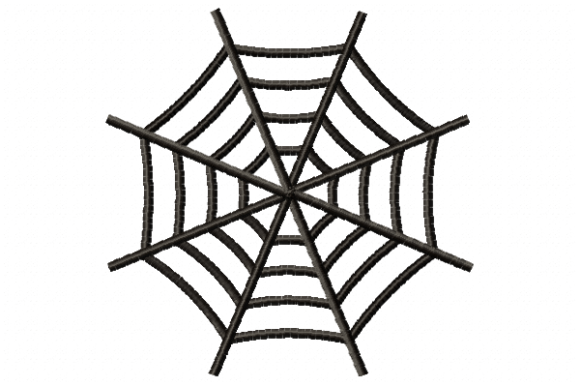
The first thing I noticed about Spiderweb is how readable it is at a glance. From three feet away—which is roughly the distance a customer first sees your display—the web shape reads immediately. That instant recognition is gold for handmade product sales. Shoppers walking past a booth full of tote bag design options need a reason to stop. Spiderweb gives them that hook without requiring a second look to understand what they are seeing.
This design also carries a handmade quality that feels premium. The web lines are clean, and the overall composition leaves room for the fabric to breathe. It does not try to fill every millimeter with stitches. That restraint makes the finished product feel intentional rather than busy. For handmade shop owners who sell at weekend markets, that distinction matters when customers compare your work to mass-produced items.
Where Spiderweb Performs Best on Products
I tested Spiderweb on several product blanks to see where it delivers the strongest visual appeal and easiest production. Here is what I found:
- Tote bags – This is the strongest application. The web sits beautifully as a center design on both canvas and cotton totes. At a medium hoop size, it becomes a focal point without overwhelming the bag shape. Customers at craft fair product tables naturally gravitate toward tote bags because they are practical and giftable. Spiderweb gives them a reason to buy.
- Apron embroidery – On aprons, the design works well placed on the chest panel or lower front. It adds personality without interfering with the apron's functionality. For bakers, gardeners, or crafters who sell at markets, an embroidered apron with Spiderweb becomes both a product and a conversation starter.
- Tea towel embroidery – This is a sleeper hit. On linen or cotton tea towels, Spiderweb feels decorative and farmhouse-adjacent without being overly rustic. Stack a few of these on your booth table with different thread colors, and you give customers a reason to buy multiples.
- Embroidered patch – If you sell patches, this design works well as an iron-on or sew-on patch. The web shape translates nicely to a patch format because the open areas allow the patch backing to blend with the garment underneath. It also stitches quickly, which means higher output per hour.
- Pillow covers and small pouches – For tabletop display pieces, a pillow cover with Spiderweb adds visual depth to your booth. Small pouches with the design work well as low-cost impulse buys near your checkout area.
I would be cautious about putting this design on caps. The curved surface of a cap front can distort the web shape if the hoop size is tight or the design is too wide. If you want to offer cap embroidery, test it first on a practice cap to see how the web lines sit on the curve. Some web designs lose their symmetry on rounded surfaces.
Understanding the Design at a Glance
Spiderweb is easy for customers to understand instantly. That might sound simple, but in a busy craft fair product environment where shoppers are scanning dozens of booths, clarity sells. A design that requires explanation is a design that loses sales. This one does the opposite. A child sees a spiderweb and smiles. An adult sees a handmade gift and reaches for their wallet.
As a small shop product, it works whether you stitch it small as an accent or scale it up as a focal design. Smaller versions fit nicely on the corner of a tea towel or the center of a pouch. Larger versions become the hero element on a tote bag design or pillow front. That flexibility means you can offer the same design across multiple price points without re-digitizing anything.
Photography and Online Listings
For Etsy sellers and those who sell digital embroidery file products, Spiderweb photographs well. The open web structure allows the fabric texture to show through, which creates a more authentic handmade look in photos. When you shoot your printable mockup or product photo, the design reads clearly even at thumbnail size. That matters for online sales where the first impression happens in a tiny square on a phone screen.
I recommend stitching one sample in a high-contrast thread color—black on natural linen, or white on dark denim—and using that as your primary listing photo. That single sample will do more for your conversion than a dozen flat mockups. Customers want to see real stitch density and fabric drape before they buy.
Batch Production and Repeatability
For commercial embroidery runs, Spiderweb is efficient. The design does not require frequent thread changes, which speeds up production when you are stitching twenty towels or fifteen totes in a row. The stitch count is moderate, meaning you can produce more units per hour compared to dense fill designs. If you are a digital seller or a creative entrepreneur running a small production line, time efficiency directly affects your profit margin.
Because the design has open areas, it also reduces the risk of thread breaks or needle deflection during long runs. Dense designs can cause issues with machine tension over time. Spiderweb maintains consistent quality even when you stitch it repeatedly.
Careful-Use Notes for Professional Results
No design is perfect for every application, and Spiderweb has a few considerations worth noting before you commit to a large production run.
- Dense stitch areas – While the overall design is open, some junction points in the web may have higher stitch density. Check those areas on your screen before stitching. If the density feels too tight, reduce it slightly in your software to avoid fabric puckering.
- Tiny details – If you plan to stitch Spiderweb at a smaller size, verify that the web lines remain distinct. Thin lines can blur together when scaled down, especially on textured fabrics. Always test the small size on scrap first.
- Fabric texture – On smooth fabrics like cotton or linen, the design looks crisp. On textured towels or thick canvas, the web lines may lose some definition. Use a sharp needle and lightweight stabilizer to maintain clarity. For terry towels, a water-soluble stabilizer on top helps keep the stitches from sinking into the loops.
- Dark fabric – If you stitch on dark materials, use a lighter thread color with good opacity. White, silver, or pale gray creates strong contrast. Avoid thread colors that blend into the fabric—your web lines need to stand out to read clearly.
- Curved surfaces – As mentioned earlier, caps and curved pouches require a test stitch. The web shape depends on even spacing, and curves can distort that spacing. If you are determined to offer cap embroidery with this design, choose a cap with a flatter front profile.
Visual Appeal, Customer Attention, and Booth Display
When I set up my craft fair product booth, I think in terms of visual layers. The back wall has tall items like aprons and tote bags. The table surface holds smaller items like patches, pouches, and tea towels. Spiderweb works at both levels. On a tote bag hanging at eye level, it pulls customers into the booth. On a small pouch near the register, it encourages add-on sales.
Because the design is symmetrical and balanced, it creates a sense of order on your display table. That visual calm helps shoppers focus. When every item on your table competes for attention with loud colors or chaotic layouts, customers feel overwhelmed and walk away. Spiderweb acts as a visual anchor that organizes the eye.
The design also supports brand consistency. If you sell under a specific aesthetic—modern farmhouse, woodland whimsy, or minimalist nature—Spiderweb fits neatly into those categories. You can stitch it in your brand colors and use it across multiple product categories. That repetition builds recognition. Customers start to associate your booth with that design, which encourages repeat visits at future markets.
Buyer Engagement and Handmade Quality
At the booth, Spiderweb invites conversation. Children point at the web and ask if there is a spider nearby—that leads to a laugh and a moment of connection with the parent. Adults often comment on the stitching quality and ask if the item is machine embroidered or hand-stitched. That curiosity gives you a chance to explain your process and build trust. Engaged buyers are more likely to purchase, and they are also more likely to remember your brand for future gifting needs.
The finished product feels giftable. That is a subtle but powerful quality. When a customer picks up a Spiderweb-embroidered tea towel and thinks, "This would make a nice hostess gift," you have already closed the sale in their mind. The design communicates that someone put care into the making. That perceived value justifies a higher price point.
Practical Embroidery Designer Notes for Your First Run
Before you stitch your first production piece, take these steps to ensure quality results:
- Test on scrap fabric – Always stitch one sample on fabric similar to your final product. Check the web lines for any distortion or thread breaks. Adjust your machine tension if needed.
- Check thread contrast – Hold your thread colors next to the fabric in natural light. What looks good in your studio may look muddy under market tent lighting or outdoor sun.
- Review spacing – Ensure the design has enough open space around the web so that it sits comfortably on the product. Crowding the design near seams or edges reduces the premium feel.
- Confirm hoop size – Verify that your hoop accommodates the full design with room for stabilizer clamping. If you are using a smaller hoop, check whether the design fits without clipping the edges.
- Inspect stitch density – Open the embroidery file in your software and look for any areas where stitches overlap excessively. Reduce density if you see potential for fabric damage or thread buildup.
- Use the right stabilizer – For most woven fabrics, a tear-away stabilizer works well. For knits or stretchy materials, use a cut-away stabilizer to prevent distortion over time. For towels, use a water-soluble topper plus tear-away backing.
- Create at least one real mockup – Photograph your test stitch on the actual product. Use that image for your printable mockup and online listings. Real photos outperform digital renders every time.
- Compare fabric colors – Stitch the same design on three different fabric colors before deciding which ones to stock. Some colors make the web pop; others wash it out.
- Confirm commercial licensing – Before you sell finished product at a craft fair product event, review the license terms for Spiderweb. Ensure you have permission to use this machine embroidery design for commercial purposes. If the design is listed under Freebies, check whether commercial use is included or requires an upgraded license.
Final Thoughts on Spiderweb for Handmade Sellers
Spiderweb is a solid addition to any embroidery business product lineup. It offers the kind of versatile, readable design that sells well across multiple product categories and price points. Whether you are preparing for a weekend craft fair, updating your Etsy seller shop, or building inventory for a boutique wholesale order, this design earns its place in your rotation.
The key to success with Spiderweb is testing your materials and trusting your eye. Stitch one sample, photograph it in good light, and put it on your booth table. Watch how customers respond. I suspect you will find that this simple, charming web draws more attention than you expect—and that is exactly what a small shop product needs to grow.