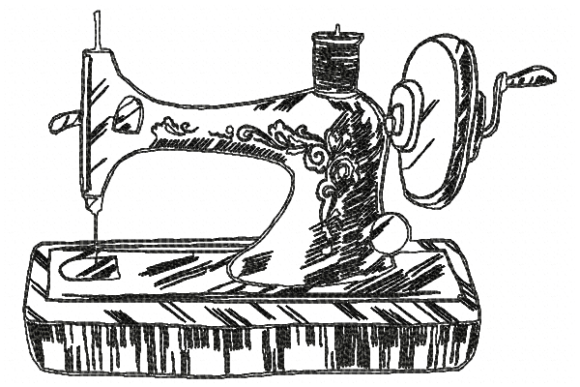
Sewing Line Embroidery Design for Boutique Apparel
When I first came across the Sewing Line machine embroidery design on Creative Fabrica, I was immediately drawn to its quiet confidence. As someone who regularly preps small collections for boutique apparel, I have learned to spot designs that translate well from screen to fabric. Sewing Line has a visual personality that sits between minimalist charm and crafty warmth. It feels like a nod to the handmade community without being overly cutesy or cluttered. The stitching mood is light, nostalgic, and gently decorative. It is not loud or bold, but it carries a subtle precision that works beautifully on apparel items meant to feel personal and artisanal.
This embroidery file comes as part of the Creative Fabrica embroidery freebies category, which is always a welcome find for small shop owners and Etsy sellers who are building a library of reliable designs. The freebie status does not diminish its potential. In fact, Sewing Line offers strong decorative value for boutique merchandise, especially if you are looking to add a handmade touch to sweatshirt embroidery or hoodie design projects. The design reads as both playful and classic, with a flexible aesthetic that suits neutral palettes, pastel backgrounds, and even darker garment tones when the right thread color is selected.
Visual Mood and Stitching Personality
Sewing Line carries a soft, craft-inspired personality that feels right at home on cozy seasonal outfits. It is not overly feminine or strictly rustic. Instead, it strikes a balance between minimal and whimsical, making it a solid choice for unisex apparel or gender-neutral boutique drops. The design has enough detail to stand alone as a chest motif but is subtle enough to work as a sleeve accent or back design on a hoodie. I can see it pairing well with neutral sweatshirts, cream or blush hoodies, and even structured denim jackets where a lighter touch is needed.
From a designer perspective, the decorative strength of Sewing Line lies in its simplicity. It does not fight for attention. Instead, it invites the viewer to appreciate the craft behind the garment. That is a valuable quality for small clothing brands and handmade product sellers who want their finished products to feel intentional rather than mass-produced. This design supports brand identity by adding a layer of storytelling to the apparel. It suggests a love for sewing, creativity, and thoughtful design work.
Performance on Sweatshirts and Hoodies
When I imagine testing Sewing Line on a standard cotton-poly fleece sweatshirt, I feel confident about its performance. The design does not appear to carry excessive stitch density, which is a common concern when stitching on stretchy fabrics or fleece. High-density designs can cause puckering on sweatshirt fabric, especially around the chest area where the garment curves. From what I see in the preview, Sewing Line should lay flat and maintain its shape during the embroidery process, provided you choose the right stabilizer and hoop size.
For hoodie design projects, I recommend a lightweight cutaway stabilizer to support the stitches without adding bulk. If you are working with a particularly thick fleece or a ribbed side panel, avoid placing the design directly over the ribbing. Instead, keep the embroidery on the front chest or back yoke where the fabric is more stable. This design also works well for sleeve accents on oversized garments. A small repeat or a single motif on the upper sleeve adds a boutique feel without overwhelming the silhouette.
Placement Considerations for Boutique Apparel
Placement can make or break a custom apparel collection, and Sewing Line offers enough flexibility to experiment. For small chest placement on adult sweatshirts, I would center the design about three to four inches below the collar line. This creates a balanced focal point that works well for lifestyle product photos and printable mockups. On childrenswear, the same placement scaled down slightly still reads clearly and maintains its decorative charm.
For tote bag design, Sewing Line can be centered on the front panel or placed slightly off-center for a more modern look. Tote bags are popular items on Etsy and in handmade shops, and adding an embroidery design like this elevates the perceived value without requiring a large investment in materials or production time. The design also works as a small back design on t-shirt embroidery projects, especially if you are building a themed collection around crafting or sewing motifs.
One note of caution: avoid placing Sewing Line on highly curved surfaces like the side seams of fitted garments or over pocket areas where the fabric layers may cause uneven stitching. Always test on a similar garment fabric before committing to a production run, especially if you are using stretchy or ribbed materials.
Thread Color and Contrast Strategy
Thread color selection will significantly influence the final look of Sewing Line on your finished product. On light or pastel garments, a medium gray, soft charcoal, or muted navy thread keeps the design visible without feeling harsh. On dark garments, consider using a white, cream, or soft gold thread to create contrast while preserving the gentle mood of the design. Because the design has a decorative, line-based quality, you want the thread to read clearly against the fabric texture without overpowering the garment.
I recommend running a stitch test on a scrap of the exact fabric you plan to use. Check how the thread colors interact with the fabric weave and whether the stitching looks crisp or slightly lost. If you are producing for a boutique brand or Etsy listing, consistency across multiple units matters. Document your thread color choices and stabilizer setup so you can reproduce the same quality for repeat orders.
Fabric and Stabilizer Notes for Commercial Embroidery
Sewing Line appears to have a moderate stitch density, which makes it suitable for a range of fabrics including cotton, polyester blends, denim, and linen canvas. However, I always recommend testing on your chosen fabric base before scaling up production. For fleece or sweatshirt fabrics, use a medium-weight cutaway stabilizer and a ballpoint needle to avoid damaging the knit structure. For woven fabrics like denim or canvas, a tear-away stabilizer may work well, but always test for stitch stability and fabric behavior.
If you are working with stretchy fabrics, consider adding a temporary spray adhesive to keep the fabric flat during hooping. This is especially important for hoodie design projects where the garment weight can cause shifting. The embroidery file formats available through Creative Fabrica should cover most commercial machines, but confirm that the file type matches your system before you begin production. If you are unsure about hoop size compatibility, review the product details on the Sewing Line listing before downloading.
Commercial Value and Brand Impact
For small shop products and handmade businesses, every design added to a collection contributes to the overall brand identity. Sewing Line supports a brand voice centered on creativity, craft, and thoughtful design. It is the kind of motif that resonates with customers who value handmade products and the stories behind them. When used on boutique apparel, it can increase buyer trust and product recognition by signaling attention to detail and a cohesive aesthetic.
From a product photography standpoint, this design photographs well on neutral and pastel backgrounds. The clean lines and balanced composition make it suitable for lifestyle imagery, social media graphics, and printable mockups. If you are listing finished products on Etsy or your own store, having a design that reads clearly in photos is a practical advantage. Customers often scroll quickly, and a well-placed embroidery motif can stop the scroll and prompt a closer look.
Sewing Line also works as a foundation piece for a small collection. You could pair it with complementary designs to build a cohesive product line around a sewing or crafting theme. This approach strengthens visual consistency across your shop and encourages customers to purchase multiple items. For commercial embroidery projects, the design is versatile enough to scale across different product categories without losing its identity.
Practical Embroidery Designer Notes
Before you stitch Sewing Line on your final garments, here are a few practical steps I recommend based on my own workflow. First, always test the design on scrap fabric that matches your garment material. This helps you confirm stitch quality, adjust tension if needed, and check for any distortion on stretchy or thick fabrics. Second, review your stabilizer choice carefully. A design that works well on denim may behave differently on fleece, so do not skip this step.
Third, compare placement options by printing a template or using a placement tool on the actual garment. This is especially useful if you are producing for an Etsy seller or a boutique brand that expects consistent results across multiple units. Fourth, check the Creative Fabrica product details and licensing information before selling finished apparel. Even though Sewing Line is listed under freebies, it is essential to confirm whether commercial use is allowed and if any attribution is required. When in doubt, contact the seller or review the license terms provided on the site.
Finally, inspect your hoop size and confirm that it matches the design dimensions. If the design requires a larger hoop than you have, you may need to resize or adjust the layout. Resizing can affect stitch density and detail clarity, so test thoroughly if you make any changes. These small steps save time and materials in the long run, and they ensure that your finished product meets the quality expectations of your customers.
Final Thoughts on Sewing Line for Apparel Brands
Sewing Line is a thoughtful addition to any apparel decorator digital embroidery file library. It offers a charming, decorative style that fits smoothly into boutique collections, handmade product lines, and small clothing brands looking for motifs that feel personal without being overly niche. Whether you are designing a sweatshirt embroidery drop, a hoodie design for a seasonal collection, or a simple tote bag for your Etsy shop, Sewing Line brings a soft, craft-forward aesthetic that your customers will appreciate.
The design performs well across a range of fabric textures and garment types, and its moderate stitch density keeps production efficient without sacrificing visual appeal. For creative entrepreneurs who value both quality and storytelling in their products, this Creative Fabrica embroidery design is worth testing and adding to your rotation. Take the time to test your thread colors, stabilizer setup, and placement options, and you will have a finished product that feels polished, professional, and ready for the boutique market.
If you are building a collection around handmade or craft-inspired themes, Sewing Line deserves a spot in your production queue. It is a small design with a lot of potential, and that is exactly the kind of resource that helps small shops grow their brand identity and customer trust.