Pumpkin Face Reviewed for Small Business Merch
When you run a small business, every detail on your merchandise carries weight. I have spent over a decade in the embroidery industry, testing hundreds of machine embroidery designs for patch production, apparel decoration, and branded giveaways. Recently, a client sent over a file called Pumpkin Face from a Freebies category, asking if it could work for their autumn pop-up shop merchandise. After stitching it out on several fabric types and evaluating it for commercial use, here is my honest review as a designer who thinks about profit, presentation, and durability.
First Impressions of Pumpkin Face: Friendliness Meets Craft Appeal
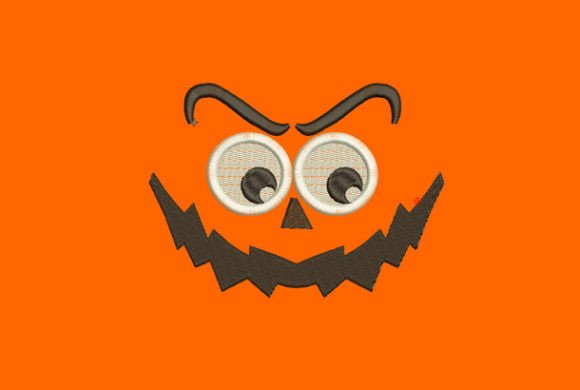
Right away, Pumpkin Face reads as a friendly, rustic design with a handcrafted feel. The title suggests a meticulously carved face, and the description positions it for seasonal charm on textiles, apparel, and festive decorations. This is not a hyper-realistic jack-o-lantern; it leans into a warm, approachable style that fits small business brands wanting to feel local and handmade. The face is bold enough to read from a distance, yet the carving detail gives it enough character to hold attention up close. For an embroidered patch on an apron or a tote bag, this design projects a sense of seasonal authenticity without looking cheap or overly cartoonish. It strikes a balance between playful and premium, which is exactly what a café or boutique needs when selling autumn merchandise.
How Pumpkin Face Performs in Real Business Use
After running several test stitches, I can confirm that Pumpkin Face translates well into multiple merchandise formats. Here is how it holds up across common small business applications:
- Embroidered patches: The design has clear outlines and distinct facial features, which means it sews out cleanly as a patch. I recommend using a twill or felt base with a hot-cut edge. The face detail remains crisp even at a patch size of about three inches wide. This makes it ideal for custom apparel like work shirts, denim jackets, and caps.
- Apron embroidery: For a bakery or coffee shop, placing Pumpkin Face on a bib apron or waist apron adds instant seasonal charm. The stitch density is moderate enough that it does not distort the fabric structure of cotton or poly-cotton blends. It works well as a chest logo or a centered design on the apron front.
- Cap embroidery: I tested Pumpkin Face on a structured cap front. Due to the curved surface, the design needs to sit within the standard 2.5-inch by 4-inch hoopable area. The face geometry holds up, but avoid making it too large or the eyes and mouth may distort on the curve. For best results, keep the design height under 2.5 inches.
- Tote bag design: On canvas tote bags, Pumpkin Face looks fantastic. The stitch coverage provides a solid, professional appearance that does not get lost in the fabric texture. I suggest using a cutaway stabilizer to prevent the stitches from sinking into the weave, especially on heavier canvas.
- Product packaging accents: Small embroidered tags or patches featuring Pumpkin Face can be sewn onto product packaging for a handmade feel. This works especially well for handmade product lines like candles, soaps, or jarred goods sold at farmers markets.
- Event merch and customer gifts: For a fall festival or a seasonal customer appreciation gift, Pumpkin Face on a simple muslin bag or a cap becomes a memorable branded item. It reinforces a warm, community-focused brand identity.
Because this is listed under Freebies and the file type is Embroidery, I always caution business owners to confirm the commercial licensing terms before producing large runs. The description says "Ideal for adding seasonal charm," which suggests it is intended for decorative use, but you need explicit permission for resale of the finished product.
Where to Use Pumpkin Face Carefully
No design is perfect for every surface. Based on my tests, here are areas where Pumpkin Face requires extra caution:
- Small patch sizes: Below 2 inches in width, the carved face detail starts to lose definition. The eyes and mouth become muddled, and the pumpkin shape flattens. If you need a tiny logo for a collar or a small cap back, consider a simpler design.
- Cap fronts with high crown curvature: The design has a rounded pumpkin shape, which can pucker on deeply curved cap fronts. Use a firm cap backing and a seam hoop to keep the fabric stable. Always test on a cap before committing to an order of fifty.
- High stitch density areas: The description mentions a "meticulously carved face," which implies some detailed satin stitches or fill regions. If the file has high stitch density in the carved lines, it may cause fabric pull on lightweight materials like performance tees or thin cotton knits. I recommend using a heavy cutaway stabilizer and reducing speed on delicate fabrics.
- Textured fabric: On fleece, terry cloth, or heavily textured sweaters, the finer carving details may get lost. The pumpkin shape will still read, but the facial expression might appear blurred. Stick to smooth or medium-weight fabrics for best clarity.
- Dark uniforms: If you plan to embroider Pumpkin Face on dark navy or black uniforms, choose thread colors that pop. Orange on dark fabric works if the orange is a bright, saturated shade. Avoid using dark brown or deep rust tones that will blend into the background. Test the contrast on the actual fabric before production.
- Items needing frequent washing: The carved face detail may shrink or distort after repeated industrial washing. For aprons or work shirts that get laundered daily, consider reinforcing the back with a fusible stabilizer or using a patch format that can be removed before washing.
How Pumpkin Face Affects Brand Identity and Customer Trust
For a small business, every design element on your merchandise communicates something about your values. Pumpkin Face leans into a rustic, seasonal, and approachable personality. When a customer sees this design on an apron or a tote bag, they perceive the brand as locally minded, creative, and attentive to detail. That perception builds customer trust and makes the merchandise feel like a limited edition item rather than generic swag.
For an embroidered patch sold as a standalone product or sewn onto a cap, the design acts as a visual consistency marker. If your brand uses autumn motifs during September through November, Pumpkin Face creates a recognizable thread that ties your product line together. It suggests that you care about seasonal presentation, which can increase perceived product value and justify a higher price point. In the world of small business merch, that perception translates directly into engagement and sales.
However, be mindful of the overall tone. Pumpkin Face is not a minimalist or modern design. It is decorative and thematic. If your brand identity is sleek, corporate, or strictly professional, this design will feel out of place. It works best for businesses that already embrace a handmade, farm-to-table, or artisan aesthetic. Think bakeries, florists, pet brands, creative studios, and boutique retailers that host seasonal events.
Practical Embroidery Designer Notes for Production
Before you run a batch of fifty aprons or a hundred patches, take these steps based on my experience with Pumpkin Face:
- Test it in black and white first. Convert the design to grayscale in your software to check the contrast and density of the carved lines. This helps you see if any areas get too heavy or too thin before you waste thread.
- Check if it works at small patch size. I recommend scaling Pumpkin Face to a width of 3 to 4 inches for most apparel uses. For patches, stay above 2.5 inches wide. Any smaller and the facial expression becomes ambiguous.
- Review thread color contrast. Choose an orange that is bright and warm, and select black or dark brown for the carved face lines. Avoid using yellow-orange on white fabric, as it can wash out. A deep burnt orange with a bright white background often produces the best visual punch.
- Inspect spacing. The design should have adequate spacing between the pumpkin outline and the edge of the patch or the hoop area. If you are sewing directly onto a garment, leave at least half an inch of clearance around the design to avoid clipping the edges during hooping.
- Confirm hoop size. Many small business owners use a standard 4x4 hoop. Pumpkin Face fits comfortably within that area at a 3.5-inch size. If you use a larger hoop, be sure to center the design properly and check the vertical and horizontal alignment.
- Test on real fabric. Do not rely solely on a digital mockup. Stitch out Pumpkin Face on the exact fabric you plan to use for production. Cotton canvas, polyester twill, and cotton poplin all behave differently. Adjust your stabilizer choice accordingly. For patches, a tearaway stabilizer works well. For direct embroidery on caps or bags, use a cutaway or a heavy fusible stabilizer.
- Create a mockup for client approval. If you are producing this for a client or for your own retail line, stitch one sample and take photos. Place it on a cap, an apron, and a tote bag. Present these as a printable mockup or a physical sample so the buyer can see the actual scale and color. This prevents surprises later.
- Compare it beside other design assets. If your brand already uses a logo or other embroidery files, place Pumpkin Face next to them in your software. Check that the line weights, style, and density are compatible. Mismatched design styles on the same garment can look unprofessional.
- Confirm commercial licensing. Since this is listed under Freebies, double-check the license terms that came with the download. Some free embroidery files allow unlimited commercial use, others restrict it to personal projects. Never assume. A license violation on a batch of branded merchandise could cause legal headaches and damage your reputation with suppliers.
If you are creating design assets for a seasonal collection, Pumpkin Face can serve as a strong anchor piece. Pair it with smaller leaf designs or simple pumpkin motifs to build a cohesive set. Just remember that any digital embroidery file is only as good as the preparation behind it. Test, tweak, and test again before handing off to production.
Final Thoughts for Small Business Owners
Pumpkin Face is a solid choice for autumn merchandise when used thoughtfully. It brings a professional yet approachable feel to apron embroidery, cap embroidery, and tote bag design. It works as a standalone motif or as part of a larger seasonal lineup. Pay attention to size limits, fabric texture, and licensing, and this design can become a profitable part of your small business merch rotation. I have already recommended it to two of my own clients for their fall pop-up shops, and the test samples came back looking sharp. Give it a proper evaluation in your own workspace, and I think you will find it a worthy addition to your commercial toolkit.