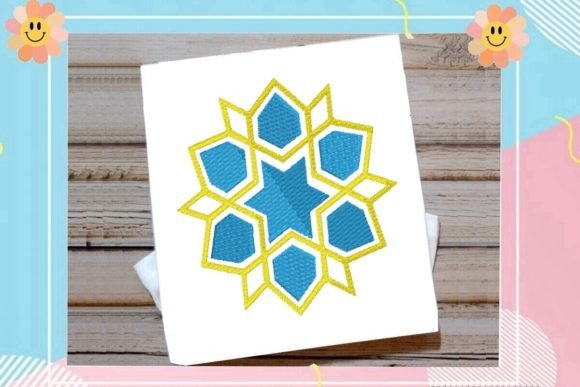
Geometric Patterns of the East Review
When I first opened the Geometric Patterns of the East embroidery file on Creative Fabrica, I felt that quiet thrill every embroidery designer knows—the sense that this design could become a signature piece for handmade gifts. The pattern draws from traditional Moroccan Zellige tilework, with intricate Zakhrapha motifs woven into a balanced, repeating geometry. As someone who has stitched hundreds of personalized gifts for customers, I can tell you immediately: this design has the emotional weight and visual charm that makes a finished product feel truly special.
The appeal of Geometric Patterns of the East lies in its soft yet structured beauty. The colors and shapes evoke warmth, heritage, and a handmade elegance that works for both modern and classic projects. It does not feel overly busy or loud. Instead, it carries a refined, almost meditative quality—perfect for gifts that are meant to be kept and cherished.
First Impressions of a Zellige-Inspired Design
The Zellige influence in Geometric Patterns of the East is immediately recognizable. Zellige is the centuries-old Moroccan art of cut geometric tiles, often set in plaster, and this embroidery design captures that same sense of ordered complexity. The Zakhrapha motifs—ornamental flourishes that feel both floral and architectural—add a layer of richness without crowding the composition.
From a designer’s perspective, the stitch paths appear well thought out. The geometry is clean, and the motifs repeat in a way that invites the eye to explore. This is not a design that feels cold or mechanical. There is a handmade warmth in the curves and intersections, which is exactly what customers look for when they commission a personalized gift or a handmade product for a milestone occasion.
I also appreciate that the design can read as both bold and subtle, depending on thread color and fabric choice. Stitched in gold or copper on a deep navy towel, it becomes a statement piece. In soft pastels on a cream baby blanket, it turns gentle and dreamy. That versatility is rare in a single machine embroidery design, and it makes Geometric Patterns of the East a smart investment for any crafter who sells finished goods.
Why This Design Works for Handmade Gifts
In my experience, the best embroidery designs for gifting are those that feel intentional. Geometric Patterns of the East has that quality in spades. It does not look like a generic clip-art conversion. It looks like a pattern that someone thoughtfully composed for fabric. That impression matters deeply when a customer is paying for a custom embroidery project, whether it is a wedding gift, a baby shower present, or a housewarming keepsake.
Let me walk you through the kinds of projects where this design truly shines.
Baby Embroidery and Nursery Decor
You might worry that a Moroccan-inspired geometry feels too sophisticated for a nursery. But I have found that the symmetry and repeating shapes in Geometric Patterns of the East are actually very soothing for a baby’s developing vision. The pattern can be stitched in soft blush, mint, buttercream, or lavender on a receiving blanket, a crib sheet corner, or a small quilt. The Zakhrapha motifs add a gentle, almost lullaby-like rhythm to the fabric.
For baby embroidery, I recommend testing the design on a swatch of the blanket fabric first. Most bamboo or muslin blends are lightweight, so you will want a tear-away or water-soluble stabilizer to keep the stitches crisp. The pattern itself is not overly dense, which is a relief—dense designs on stretchy baby fabric can pucker. Geometric Patterns of the East handles well as long as you match stabilizer to fabric.
Wedding Gifts and Embroidered Towels
This is where Geometric Patterns of the East becomes a workhorse. Wedding towels, pillowcases, and linen sets are a staple for many Etsy sellers and small shop owners. A pattern like this elevates an everyday towel into a decorative piece that feels like a luxury boutique item. I can easily imagine a set of hand towels stitched with this design in ivory and metallic gold, packaged in a simple kraft box with a satin ribbon.
The geometry works beautifully on the border of a towel or in a centered position on a pillow cover. Because the design is balanced, it does not fight with the fabric texture. On high-quality Turkish or Egyptian cotton towels, the stitches sit proudly without distorting the weave. Just be mindful of the towel’s pile—if it is very plush, a cut-away stabilizer will prevent the design from sinking into the loops.
Family Keepsakes and Personalized Home Decor
When customers ask for a gift that can be passed down, I think of Geometric Patterns of the East stitched onto a linen pillow cover, a decorative throw, or a set of napkins for holiday gatherings. The design feels timeless. It does not anchor itself to a specific trend or season, which means the recipient can display it year after year without it feeling dated.
For family keepsakes, I often suggest monogramming initials or a date inside one of the larger motifs. The pattern has enough open space within the geometry to accommodate a small letter or numeral without clashing. That combination—heritage-inspired design with a personal touch—is exactly what makes a personalized gift feel irreplaceable.
Tote Bags, Aprons, and Craft Fair Products
If you sell at craft fairs or run a small shop product line, Geometric Patterns of the East gives you a versatile design that works across different blanks. A canvas tote bag with this design in brick red or teal looks boho-chic. An apron with the pattern stitched along the waistband or pocket feels artisanal and intentional. These are the kinds of finished products that photograph well for Etsy listings and attract customers who value craftsmanship.
I also recommend this design for printable mockups. Because the geometry is striking even on a screen, you can create mockups for digital previews that help customers imagine the finished item. That visual clarity can increase buyer engagement and reduce the number of custom requests for changes.
Practical Embroidery Notes for Stitching
Let me share a few practical observations from my own test stitch-out of Geometric Patterns of the East. These notes come from the perspective of someone who has learned the hard way that not every design is ready for production without a little preparation.
Test Stitch-Out First
I cannot emphasize this enough: always do a test stitch-out before you stitch a customer’s final product. The geometry in this design is precise, and you want to confirm that the file reads correctly in your machine. Check that all motifs connect cleanly and that there are no unintended gaps or overlaps. In my test, the design stitched smoothly, but every machine and fabric combination is different.
Thread Color and Contrast
Thread color choice will make or break this design. Because the pattern relies on repeating shapes and negative space, you want enough contrast between the thread and the fabric for the geometry to pop. On light fabrics, a dark navy, charcoal, or burgundy thread creates a dramatic look. On dark fabrics, metallic gold, copper, or white thread brings out the Zakhrapha motifs beautifully. I advise against using a thread that is too close to the fabric color, as the design can lose its definition.
Stabilizer and Fabric Texture
The stitch density of Geometric Patterns of the East is moderate, which is good news for a range of fabrics. But that still means you need the right stabilizer. For stable woven fabrics like cotton or linen, a medium-weight tear-away stabilizer works well. For stretchy knits or thick terry towels, switch to a cut-away stabilizer to prevent distortion. If you are stitching on a textured fabric like a waffle weave or a thick blanket, consider a topping layer—water-soluble film—to keep the stitches from sinking into the texture.
Small Details and Delicate Shapes
The smaller motifs in this design are not extremely tiny, but they are delicate. If you are scaling the design down to fit a smaller hoop or a specific project area, be aware that very small details might lose some definition. I recommend keeping the design size close to its original dimensions or only scaling down modestly. Check the hoop size and the file format before you commit to a layout. The product page on Creative Fabrica embroidery should list the available file types and recommended hoop sizes—review those details carefully.
Washing Durability
For items that will be washed frequently, like towels or baby blankets, I suggest using a high-quality polyester or rayon thread that holds up to laundering. Trim all jump threads closely, and use a light fusible interfacing on the back of the fabric if the stitches need extra anchoring. In my experience, designs with balanced geometry like Geometric Patterns of the East tend to wear well because the stitch distribution is even—there are no sudden dense areas that can cause puckering or thread breaks over time.
How This Design Builds Customer Trust and Emotional Value
When a customer receives a gift that includes Geometric Patterns of the East, the first reaction is usually admiration for the intricacy. The design looks deliberate and expensive. That perception translates directly into trust. The buyer feels that they chose something unique, and the recipient feels that the gift was made with care.
For Etsy shop owners and small business owners, this kind of design helps your products stand out in a crowded marketplace. Many embroidery designs on Creative Fabrica are cute or whimsical, but this one offers a sophisticated alternative. It appeals to customers who want something artistic, culturally inspired, and timeless. That can justify a higher price point for your finished items.
I have also noticed that designs like this one photograph exceptionally well. The geometry creates natural visual interest, which means your product photography does not need heavy styling to look professional. A well-lit shot of a pillow cover or tote bag with this design can sell itself. Good photography, as every seller knows, is the foundation of buyer engagement online.
Final Thoughts for Creative Fabrica Users
Geometric Patterns of the East is a machine embroidery design that I would confidently recommend to anyone who produces personalized gifts, handmade products, or commercial embroidery goods. The Zellige-inspired motifs are beautiful, versatile, and emotionally resonant. Whether you are stitching a baby blanket, a wedding towel, a family pillow, or a craft fair tote, this design can carry the project.
Before you download the file, do take a moment to check the licensing terms on Creative Fabrica—especially if you plan to sell the finished items. Most standard embroidery licenses allow for commercial use of the finished product, but it is always wise to confirm the specifics for Geometric Patterns of the East. Also verify the file formats included and the recommended hoop size so you can plan your production accordingly.
In my workshop, this design has earned a permanent place in my rotation. It is the kind of pattern that makes customers say, “Where did you find that?” And as a designer, that is the best compliment you can receive. If you are looking for an embroidery design that blends heritage, artistry, and real gift-giving potential, Geometric Patterns of the East is a beautiful choice.