Falling Leaves: A Designer’s Review for Apparel
Every season brings a fresh wave of embroidery inspiration, but autumn designs have a special way of connecting with customers who love warmth, texture, and nature. When I came across the Falling Leaves machine embroidery design on Creative Fabrica, I immediately started picturing it on sweatshirts, hoodies, and totes for a small boutique collection. As someone who has stitched thousands of garments for my own shop and for clients, I know that not every pretty design translates well to fabric. So I sat down with this embroidery file, ran it through my mental checklist, and here is my honest review from an apparel decorator’s perspective.
First Impressions: Visual Personality and Stitching Mood
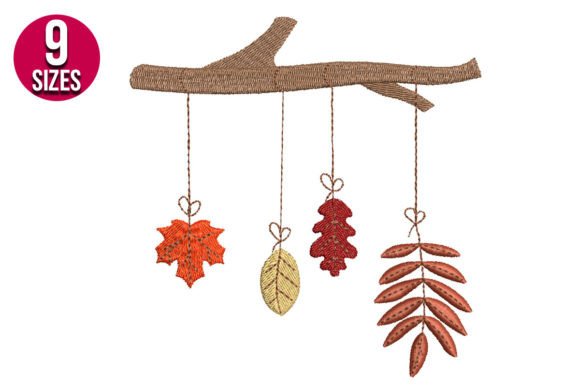
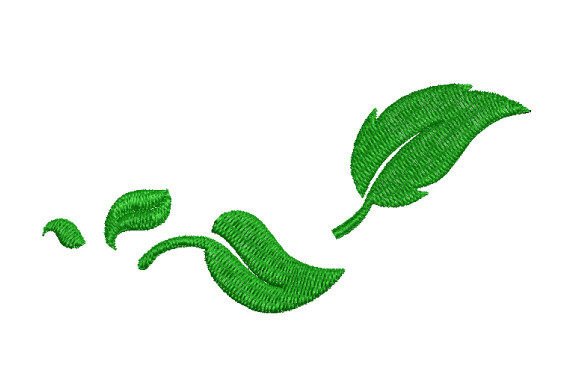
The first thing that struck me about Falling Leaves is its balanced mood. It is not overly dense or heavy, yet it carries enough detail to feel premium. The leaves appear to drift in a natural, unforced arrangement, giving the design a relaxed and slightly rustic feel. I would describe the visual personality as classic with a soft feminine touch — perfect for boutique apparel that aims to feel cozy and curated. The stitch work appears clean, with clearly defined leaf shapes that should hold up well on fabric without becoming a muddy mass of thread. This design leans more toward decorative elegance than bold statement, which makes it versatile for everything from a simple t-shirt to a layered denim jacket.
What I appreciate most is that Falling Leaves does not try to do too much. It respects the garment it goes on. That is a sign of a well-crafted machine embroidery design. For a small shop owner or Etsy seller, this kind of design can become a repeat seller because it appeals to customers who want subtle seasonal style without shouting.
Performance on Sweatshirts and Hoodies
Let’s talk about where most boutique apparel decorators will want to use this: sweatshirt embroidery and hoodie design. Sweatshirt fleece is a medium-stretch, medium-loop fabric that can swallow detail if a design is too dense or has tiny elements. From what I see in the Falling Leaves file, the leaf shapes are broad enough to register clearly on fleece, and the spacing between elements should help prevent the fabric from puckering.
For a front chest placement on a crewneck sweatshirt, this design will sit beautifully. The moderate size means it will not overwhelm a standard adult sweatshirt, yet it will have enough presence to catch a customer’s eye. On a hoodie, I would test it both centered on the chest and offset slightly toward the left, depending on the gender and fit of the garment. Sweatshirt embroidery with Falling Leaves will photograph well for printable mockups and social media graphics, especially against neutral backgrounds like cream, oatmeal, heather grey, and soft blush.
I also see potential for a sleeve accent. Placing a single drifting leaf or a small cluster near the cuff or along the upper sleeve can give a hoodie a curated, boutique look. This kind of placement works well for custom apparel brands that want to differentiate themselves from mass-produced inventory.
T-Shirt and Tote Bag Possibilities
Lightweight t-shirt embroidery is a different challenge. Cotton jersey stretches, and a dense design can distort the fabric. Falling Leaves appears to have a moderate stitch density that should work on a quality ringspun cotton tee, especially if you use a suitable stabilizer. I would test a small hoop size on a scrap tee first to see how the fabric reacts. If the leaves are digitized with underlay that stabilizes the stitches, you should get a crisp result.
For tote bag design, this pattern is nearly ideal. Totes made of canvas or cotton twill offer a stable surface with minimal stretch. Falling Leaves can be centered or placed near the top edge for a polished look. A tote with this design would photograph beautifully for Etsy listings and handmade product showcases. I can already picture it styled with a chunky knit scarf and a pumpkin spice latte for a seasonal product photo.
Beyond apparel, I can see this used on aprons, handkerchiefs, and pillow covers as the product description mentions. But since my focus is boutique apparel, I will emphasize that Falling Leaves has enough flexibility to carry a small collection across multiple product types, which is a smart move for any small shop product strategy.
Placement Considerations: Where to Be Careful
No design is perfect for every situation, and Falling Leaves requires a few thoughtful decisions. Here is where I recommend caution:
- Small chest placement on adults: Make sure the design scale is appropriate for the garment size. A design that looks balanced on a size large may feel crowded on a small. Check the embroidery file dimensions and adjust if needed.
- Dense stitch areas: If any leaf clusters overlap significantly, watch for thread build-up that could stiffen the fabric. Test on a similar garment fabric before production.
- Stretchy fabric: Ribbed knits and high-stretch jersey can distort leaf shapes. Use a cutaway stabilizer and reduce tension slightly if needed.
- Fleece and looped fabrics: The loops can trap thread and obscure detail. A topping layer and a sharp needle help maintain clarity.
- Dark garments: Thread color contrast is critical. On a black or dark navy hoodie, choose thread colors that pop — gold, rust, cream, or copper. Test on a scrap first.
- Curved surfaces like sleeves: Tight curves can pull the design out of shape. Hoop carefully and consider a smaller design for narrow sleeves.
- Tiny elements: If the file includes very small leaves, confirm they will not blur on textured fabric. Small details can fill in on fleece.
As a professional practice, I always recommend testing any new Creative Fabrica embroidery design on scrap fabric that matches your final garment. Check your hoop size and stitch density settings before committing to a production run.
How Falling Leaves Affects Brand Value and Customer Engagement
When I consider a design for my own boutique brand, I think beyond aesthetics. I ask: Does this design help my products look cohesive? Will customers feel confident buying it? Does it elevate my product recognition?
Falling Leaves scores well on all three. Its natural, calm aesthetic fits a brand identity built on quality, seasonal awareness, and thoughtful design. For an Etsy seller or a small clothing brand, listing items with this design can increase perceived value. A hoodie with a well-placed leaf design feels more intentional than a plain garment, and customers are often willing to pay a premium for that.
In terms of customer engagement, seasonal designs like this encourage sharing on social media. Buyers love to post photos of their cozy autumn outfits. That is free marketing for your shop. The design’s versatility also means you can offer it across multiple product types — sweatshirt embroidery, tote bags, t-shirts — which strengthens your product line and builds trust with repeat customers.
For commercial embroidery use, always double-check the Creative Fabrica product details and licensing before selling finished apparel. Understanding what rights you have to use the digital embroidery file on products for sale is a critical step that protects your business.
Practical Embroiderer Notes Before Production
Before you stitch Falling Leaves on a final garment, here is my checklist based on years of experience:
- Test on scrap fabric that matches your final garment material. Do not skip this step.
- Check stabilizer choice: For stretch fabrics, use a cutaway stabilizer. For stable fabrics like canvas, a tearaway may suffice.
- Review thread color contrast: The design will look different on a cream sweatshirt vs. a rust hoodie. Choose thread colors that complement your garment without blending in completely.
- Confirm hoop size: Make sure the design fits within your hoop capacity without crowding the edges.
- Inspect stitch density: If your machine has a density check feature, run it. Overly dense areas can cause fabric puckering or thread breaks.
- Test on similar garment fabric: Do not test on a scrap of cotton if your final product is fleece. Test on the actual fabric type.
- Compare placement options: Print a paper template of the design and pin it on a garment. Step back and see where it looks most balanced.
- Confirm product details: Since the product description for Falling Leaves says it is a beautiful machine embroidery design, but does not list specific stitch counts or formats, I recommend downloading the file and verifying these details in your embroidery software before planning a large production run.
- Check licensing on Creative Fabrica: Ensure you understand the terms for commercial use before selling finished products.
Following these steps will save you from costly mistakes and ensure your finished items maintain a professional presentation.
Final Thoughts on Falling Leaves for Boutique Apparel
Falling Leaves is the kind of Creative Fabrica embroidery design that makes an apparel decorator’s job easier. It offers a natural, seasonally relevant look that can anchor a small collection or complement an existing product line. Its moderate detail level and balanced stitch density make it suitable for sweatshirt embroidery, hoodies, t-shirts, and tote bags alike. For handmade product sellers and Etsy sellers, this design provides a strong foundation for printable mockups, product photos, and social media content that feels cohesive and professional.
If you are planning a boutique apparel run this season and want a design that feels both timeless and on-trend, Falling Leaves is worth a close look. As always, test thoroughly, choose your thread colors with intention, and let the design speak for itself. Your customers will notice the difference.