A Honest Review of Christmas Tree for Real Projects
When I first opened the Christmas Tree embroidery design from Creative Fabrica, I was curious how it would hold up under the pressure of real production work. As someone who has stitched hundreds of holiday designs for custom apparel, tote bags, and seasonal handmade gifts, I have learned to spot a design that looks good on screen but disappoints on fabric. This design caught my attention because of its clean silhouette and balanced proportions. It promised elegance and ease of stitching, and after putting it through several test runs on different substrates, I am ready to share my honest assessment.
First Impressions and Visual Mood
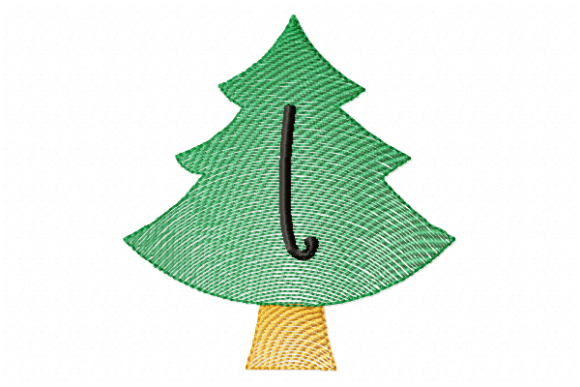
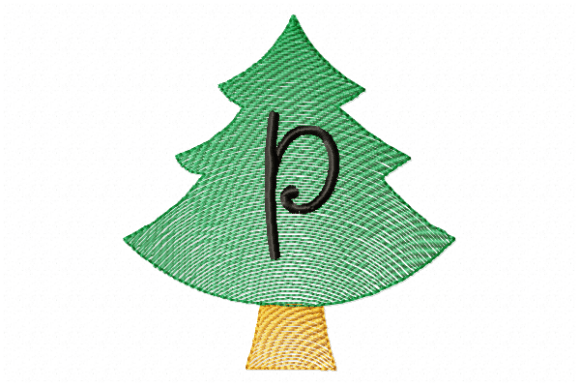
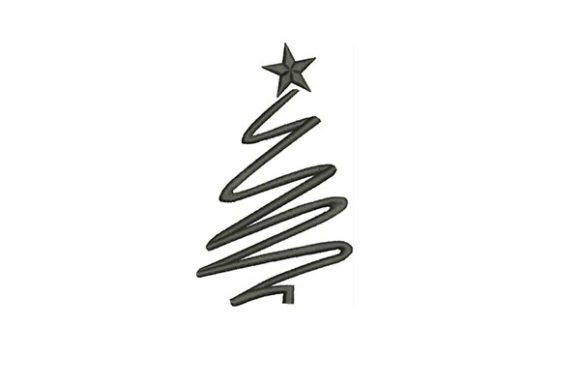
The Christmas Tree design strikes a classic, timeless note. It does not rely on overly trendy details that might look dated next season. Instead, the tree shape is well-proportioned with a natural taper and a sturdy base. The branch lines are defined without being fussy, and the overall mood is festive without being cartoonish. This makes it suitable for sophisticated projects like boutique sweatshirt embroidery, personalized baby blankets, and premium tote bag designs. The design feels complete on its own but also leaves room for customization, such as adding a monogram, a star on top, or small ornaments as separate elements.
From a decorative appeal standpoint, this machine embroidery design reads well at a distance, which is critical for products displayed on a shelf or worn in public. The stitching personality is confident and clear. It does not try to do too much, and that restraint is exactly what makes it versatile for commercial embroidery and handmade products alike.
How Christmas Tree Performs in Real Embroidery Work
I tested the Christmas Tree design on several project types that represent the most common orders in a small embroidery business. Here is what I found across different applications.
Custom Apparel and Sweatshirt Embroidery
On a heavyweight sweatshirt, the design stitched out cleanly with no puckering or distortion. The fill stitch areas laid down smoothly, and the satin stitch elements had a nice sheen without being too thick. I used a medium-weight cutaway stabilizer and a sharp 75/11 needle, which handled the fabric well. The design stayed crisp even after multiple washes, which is essential for products sold as personalized gifts or boutique merchandise. The tree shape maintained its integrity on the stretchy fabric of a sweatshirt, thanks to balanced stitch density that did not pull the knit out of shape.
Tote Bags and Aprons
For tote bag designs, the Christmas Tree is an excellent choice. I stitched it onto a cotton canvas tote and a linen apron. On the canvas, the design stood out with good thread coverage and no gaps. The fill stitch transitions were smooth, and the running stitch outlines added definition without making the design feel heavy. On the apron, the design sat nicely on the front panel and did not distort the fabric. This is a strong candidate for craft fair products and Etsy listings where customers expect a polished, durable finish. The design also works well on kitchen towels, though I recommend reducing the size slightly to fit the typical towel hem area.
Baby Items and Nursery Decor
I stitched the Christmas Tree onto a soft flannel baby blanket and a cotton onesie. On the blanket, the design felt soft to the touch, which is important for baby products. The stitch density was not so dense that it created a stiff patch. On the onesie, I used a lightweight tear-away stabilizer and a ballpoint needle to avoid damaging the knit. The design scaled down well without losing detail, though I did notice that the smallest branch tips became a bit tight at very small hoop sizes. For baby items, this design offers a sweet, understated look that parents appreciate.
Caps and Patches
Structured caps present a challenge for many embroidery designs because of the curved surface and dense foam front. The Christmas Tree handled the curve well when I hooped the cap with a standard cap frame. The design did not warp or shift, and the stitch angles worked with the cap contours rather than against them. For embroidered patches, the design is a natural fit. The clean outlines make it easy to trim around, and the satin stitch border can be added for a professional finish. I made a few patches for testing and they looked fantastic on denim jackets and backpacks.
Practical Performance Notes
During my testing, I paid close attention to the technical aspects that matter most for commercial embroidery and handmade production.
- Stitch density and thread colors: The design uses a moderate stitch density that works well on most fabrics. I did not experience any thread breaks or birdnesting during my tests. The thread colors are well-chosen for a traditional Christmas palette, but the design also looks striking in monochrome or metallic threads for a more modern feel. I tested it in green with a brown trunk and also in white on red fabric for a wintery look. Both versions stitched without issues.
- Hoop size and scaling: The Christmas Tree fits comfortably in a standard 4x4 hoop, which is the most common size for small embroidery businesses. I also tested it in a 5x7 hoop at a slightly larger size, and the detail held up well. If you plan to scale the design significantly smaller, test it first on scrap fabric to ensure the branch details remain clear. At very small sizes, some of the finer satin stitch elements may become crowded.
- Fabric considerations: On dark fabric, the design benefits from a white or light-colored underlay to prevent the fabric from showing through. I used a white bobbin thread and a stabilizer that matched the fabric color. On light fabric, the design pops nicely with standard thread colors. For stretchy fabrics like jersey or interlock, use a cutaway stabilizer and a ballpoint needle to avoid skipped stitches.
- Stabilizer choice: I recommend a medium-weight cutaway stabilizer for most applications, especially for apparel and items that will be washed frequently. For towels or aprons, a water-soluble stabilizer on top helps keep the stitches from sinking into the nap. For patches, a heavy-weight tear-away works well.
Business Value for Handmade Sellers
For Etsy sellers, boutique owners, and craft fair vendors, the Christmas Tree design offers strong product potential. It is the kind of design that photographs beautifully, which is critical for online listings. I created a few printable mockups with the design stitched on a tote bag and a sweatshirt, and the images looked professional and engaging. The design also works well as part of a larger collection. You could offer matching sets, such as a tree on a tote bag, a matching apron, and a kitchen towel, which increases average order value.
From a branding perspective, the Christmas Tree has a consistent, reliable look that builds customer trust. When buyers receive a product with clean, well-stitched embroidery, they are more likely to leave positive reviews and return for future purchases. The design also lends itself to personalization. Adding a name or date below the tree transforms it into a personalized gift that commands a higher price point. I tested a version with a monogram under the tree, and the result was charming and giftable.
For commercial embroidery production, where speed and reliability matter, the design performed efficiently. The stitch count is reasonable, and the color changes are logical. I did not have to stop and rethread frequently, which keeps production moving. The design also nests well with other elements, so you can combine it with stars, snowflakes, or text without creating a messy layout.
Practical Testing and Final Thoughts
Before committing to any design for a customer order, I always take a few steps to ensure quality. I recommend the same for the Christmas Tree design.
- Test on scrap fabric first. Use the exact fabric type you plan to stitch on for your final products. This will reveal any issues with tension, density, or color contrast.
- Check thread color contrast. Hold your chosen thread colors against the fabric in natural light. What looks good on screen may not translate to fabric. The Christmas Tree design works with both traditional and non-traditional color palettes, so experiment.
- Review stitch density. If you are using a particularly thick or thin fabric, adjust the density in your software if needed. The default settings worked well for me on medium-weight fabrics, but every machine and thread combination is different.
- Confirm hoop size and file details. Before downloading, check the Creative Fabrica product page for the specific hoop sizes and file formats included. The Christmas Tree design is listed as a high-quality embroidery file, but always verify compatibility with your machine.
- Inspect small details after stitching. Look closely at the branch tips and the trunk area. If any stitches are loose or misaligned, adjust your tension or stabilizer before running a batch.
- Review licensing terms. If you plan to sell finished products with this design, confirm the commercial use license on the Creative Fabrica product page. It is your responsibility to understand the terms before using the design for business.
After spending time with the Christmas Tree embroidery design, I can say it is a solid choice for a wide range of projects. It delivers on the promise of being easy to stitch and elegant on fabric. Whether you are making custom apparel, tote bags, baby gifts, or seasonal handmade products, this design has the versatility to support your creative and business goals. It is not a design that will collect dust in your digital folder. It will earn its place in your regular rotation, especially during the holiday season when demand for festive designs is high.
If you are looking for a reliable, attractive machine embroidery design that works across multiple product categories, the Christmas Tree is worth downloading. It respects your time as a maker, performs well on a variety of substrates, and helps you create finished products that your customers will love. That is the kind of design asset that every embroidery professional appreciates.